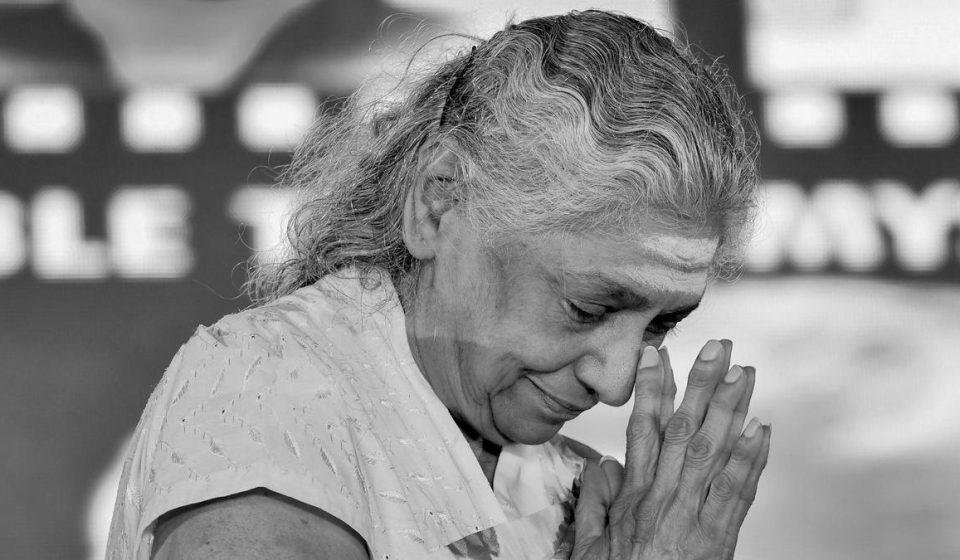
S. Janaki Declined Padma Bhushan in 2013, Calling the Honour ‘Too Late’ After a Lifetime in Music

The passing of legendary playback singer S. Janaki has prompted renewed attention to one of the most talked-about moments of her career—her decision to refuse the Padma Bhushan in 2013.
Known for an extraordinary musical journey spanning several decades, Janaki believed that recognition for an artist’s lifetime of work should come while they are still actively able to appreciate it. Her decision to decline one of India’s highest civilian honours sparked widespread discussion across the country and remains a significant chapter in her legacy.
Why S. Janaki Said No to the Padma Bhushan
In January 2013, the Government of India announced S. Janaki as one of the recipients of the Padma Bhushan. Instead of accepting the award, the celebrated singer politely turned it down.
Speaking after the announcement, she made it clear that she respected the government’s decision to honour her but felt the recognition had arrived much later than it should have. After dedicating more than five decades to Indian music, she believed the award did not fully reflect the scale of her contribution.
A Career Built Across Languages and Generations
S. Janaki was one of India’s most accomplished playback singers, recording an estimated 40,000 songs in nearly 17 languages. Her versatile voice became an integral part of South Indian cinema while also reaching audiences across the country.
Throughout her career, she worked with leading composers and filmmakers, earning widespread admiration for her ability to perform songs across different genres and languages.
Her achievements included four National Film Awards along with numerous honours from various state governments and film industries.
Recognition Should Come During an Artist’s Lifetime
One of the central points Janaki made while declining the award was that artists should be honoured while they are alive rather than receiving recognition after decades of service or posthumously.
She questioned why many legendary performers receive major honours only after the peak of their careers has passed, arguing that timely recognition carries greater meaning for those who have dedicated their lives to the arts.
Call for Equal Recognition of Southern Artists
Janaki also expressed concern that artists from South India were sometimes overlooked in national honours despite their immense contributions to Indian culture and cinema.
Her remarks encouraged broader conversations about ensuring balanced recognition for talented individuals from every region of the country.
A Legacy That Goes Beyond Awards
Although she chose not to accept the Padma Bhushan, S. Janaki’s place in Indian music remains firmly established. Her songs continue to be cherished by generations of listeners, and her influence can still be heard in contemporary playback singing.
Following her death in 2026, many fans and fellow musicians have reflected not only on her unforgettable voice but also on her principled stand regarding recognition and respect for artists.
Remembering an Icon
S. Janaki’s remarkable body of work transcends awards and honours. Her contribution to Indian playback music has left a lasting mark on the country’s cultural history, ensuring that her voice and legacy will continue to inspire future generations of musicians and listeners alike.