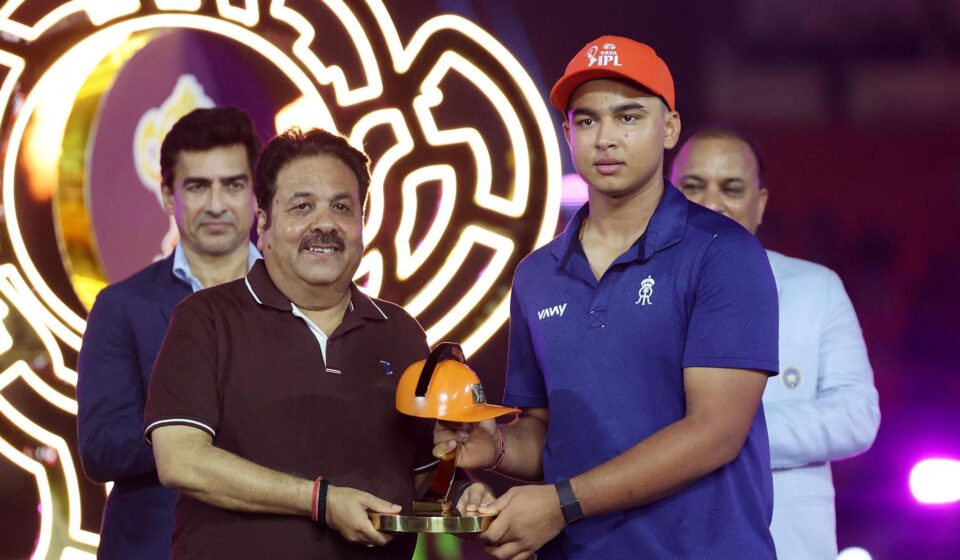

At just 15 years old, cricket sensation Vaibhav Sooryavanshi has become one of the most talked-about names in Indian cricket. Thanks to his impressive IPL 2026 performances, sponsorship deals, and growing popularity, reports suggest the youngster has already amassed a net worth of nearly ₹7 crore.
However, his success has sparked an important financial question: Can a minor in India earn crores and still be liable to pay income tax?
The answer lies in specific provisions of India’s income tax laws that govern earnings made by children below the age of 18.
How Is a Minor’s Income Taxed in India?
Under normal circumstances, income earned by a minor child is added to the taxable income of the parent who has the higher income. This process is known as “clubbing of income.”
Tax experts explain that income generated from investments made in a child’s name—such as fixed deposits, mutual funds, or savings accounts—is generally not taxed separately in the child’s hands. Instead, it is included in the parent’s total income for taxation purposes.
In cases where parents are separated, the income is clubbed with the income of the parent who maintains the child.
Why Vaibhav Sooryavanshi’s Case Is Different
Vaibhav’s earnings are not coming from investments made by his parents. Instead, they are the result of his own talent, performance, and professional cricketing career.
According to tax experts, income earned through a minor’s personal skill, talent, knowledge, specialized expertise, or manual work is exempt from clubbing provisions. Such income is taxed separately in the name of the minor.
This means that money earned by Vaibhav through IPL contracts, match fees, sponsorships, and endorsement deals can be treated as his own income for tax purposes rather than being added to his parents’ earnings.
The Same Rule Applies to Influencers and Child Artists
The exemption is not limited to sports personalities.
Young YouTubers, social media influencers, actors, singers, esports players, and content creators who earn income through their own abilities may also qualify for separate taxation.
If the earnings are directly linked to the child’s talent or expertise, the income can be assessed independently under tax laws.
What Happens to Investments Made in a Child’s Name?
Many parents invest money in financial products using their children’s names. However, experts caution that income generated from such investments is generally subject to clubbing rules.
Interest from fixed deposits, returns from mutual funds, and similar investment income usually remain taxable in the hands of the parent rather than the child.
Failure to disclose such income correctly could lead to tax compliance issues.
Is Any Tax Benefit Available to Parents?
Yes. When a minor’s income is clubbed with a parent’s income, a limited tax relief is available.
Under current provisions, parents can claim an exemption of ₹1,500 per minor child or the amount of income clubbed, whichever is lower. This benefit is available for up to two children and applies under specific tax-regime conditions.
When Do Clubbing Rules Not Apply?
There are two major exceptions where clubbing provisions are not applicable:
- Income earned through the minor’s own skill, talent, knowledge, or professional effort.
- Income earned by minors with specified disabilities as recognized under tax laws.
In these situations, the income is treated separately and taxed independently.
What Changes After the Child Turns 18?
Once a child becomes an adult, the rules become much simpler.
After turning 18, all income—regardless of its source—is taxed directly in the individual’s name. The person is then responsible for filing income tax returns and fulfilling all tax-related obligations independently.
For young stars like Vaibhav Sooryavanshi, this means that while his cricket earnings are already treated separately today, he will have complete responsibility for his tax filings once he reaches adulthood.