Toaster Movie Review (2026): A Thought-Provoking Film About Routine and Modern Life

Toaster is not a typical commercial film. It takes a simple concept and turns it into a deeper reflection on modern life, routine, and emotional fatigue. At a time when most films focus on fast-paced entertainment, this movie chooses a slower, more introspective approach that may not appeal to everyone but certainly leaves an impact on those who connect with it.
The story revolves around a man who is stuck in a repetitive lifestyle, where every day feels identical to the last. The film uses the idea of a toaster as a symbolic element to represent this monotony. Just like a toaster performs the same function repeatedly, the protagonist finds himself trapped in a cycle of routine, slowly losing his sense of purpose. The narrative is not straightforward and relies heavily on symbolism, which requires the audience to pay close attention and interpret its deeper meaning.
The direction of the film reflects a clear artistic vision. The filmmaker focuses more on visual storytelling than on heavy dialogue, allowing scenes to unfold slowly and naturally. While this approach adds depth, it also affects the pacing, especially in the first half where some sequences feel stretched. However, the second half becomes more engaging as the emotional layers of the story begin to unfold more clearly.
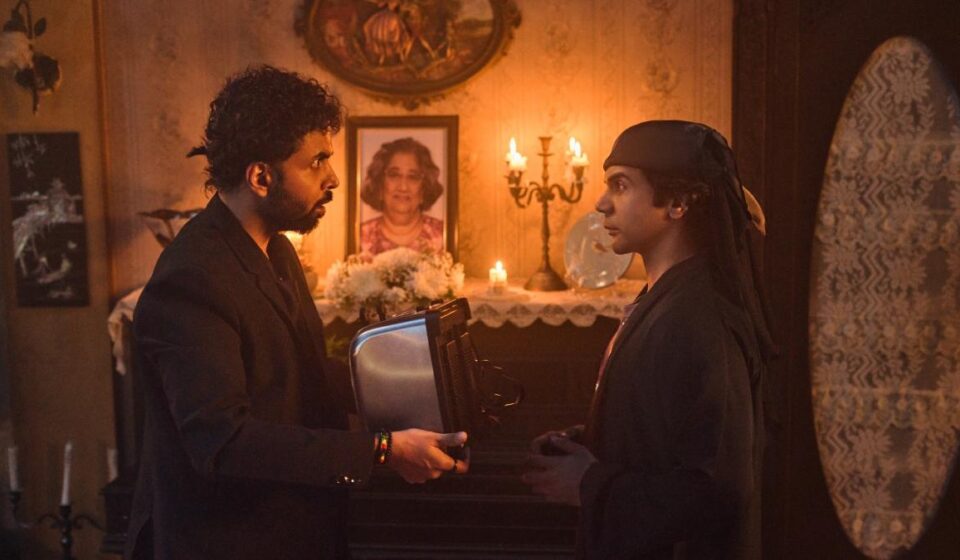
Cinematography stands out as one of the strongest aspects of Toaster. The film uses minimalist visuals, creative lighting, and carefully composed frames to convey emotion and meaning. Everyday settings are presented in a way that feels both realistic and symbolic, which enhances the overall viewing experience. The background score is subtle and complements the mood of the film without overpowering it, helping to maintain an immersive atmosphere.
The performances in the film are natural and grounded. The lead actor delivers a convincing portrayal of someone dealing with internal conflict and emotional exhaustion. The expressions and body language feel genuine, making the character relatable. The supporting cast also contributes effectively, even though the film primarily focuses on the central character.
Despite its strengths, the film does have some limitations. The slow pacing may not work for viewers who prefer engaging and fast-moving narratives. Additionally, the abstract storytelling can feel confusing at times, especially for those who are not used to symbolic cinema. It is clearly not a film designed for mass entertainment, but rather for a niche audience that appreciates deeper themes.
Overall, Toaster is an experimental and thoughtful film that attempts to say something meaningful about life and routine. It may not satisfy everyone, but it succeeds in creating a reflective experience for those willing to engage with its message. The film earns a rating of 3 out of 5 for its unique concept, strong visuals, and sincere performances, even though it struggles with pacing and accessibility.